
In recent years, artificial intelligence has emerged as a powerful force reshaping education systems worldwide. From personalized learning experiences to administrative automation, AI technologies are fundamentally changing how students learn, how teachers teach, and how educational institutions operate. This transformation, along with the understanding that How AI is Revolutionizing Education, promises to make education more accessible, engaging, and effective for learners of all backgrounds and abilities. How AI is Revolutionizing Education in ways we have yet to fully comprehend. Moreover, How AI is Revolutionizing Education continues to evolve, providing innovative solutions that enhance learning outcomes.
The Rise of Personalized Learning

Photo by Svetlana Gumerova on Unsplash
AI is Revolutionizing Education: A New Era in Learning
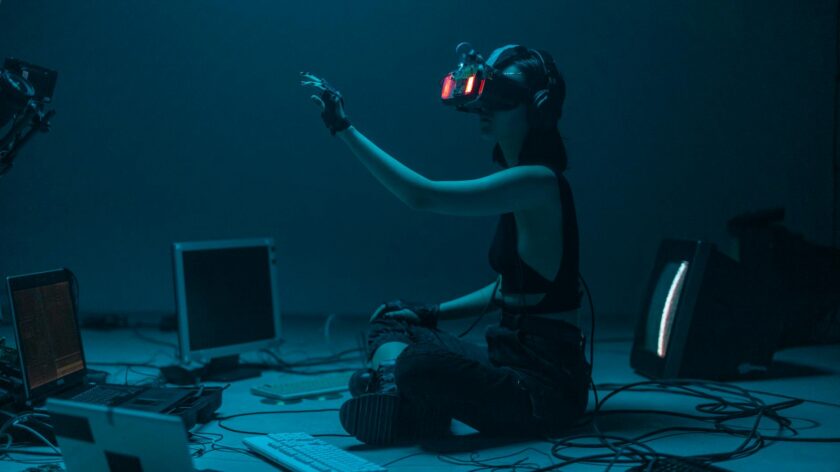
Photo by cottonbro studio on Pexels
AI is Revolutionizing Education by facilitating improvements in curriculum and instructional strategies. With AI is Revolutionizing Education at the forefront of technological advancements, educators are better equipped to meet the diverse needs of their students.
One of the most significant impacts of AI in education is the ability to deliver truly personalized learning experiences tailored to individual student needs.
How AI is Revolutionizing Education: Adaptive Learning Platforms
AI is Revolutionizing Education through personalized learning paths that enable students to thrive. As AI is Revolutionizing Education, it emphasizes the importance of tailoring educational experiences to individual learning styles.
As educators embrace innovative technologies, How AI is Revolutionizing Education stands out as a guiding principle for curriculum development.
AI-powered adaptive learning platforms analyze individual student performance data to create customized learning paths, adjusting content difficulty and pacing based on each student's proficiency level. These systems continuously monitor progress and adapt in real-time, ensuring students receive the right level of challenge and support.


Through various applications, How AI is Revolutionizing Education enables a more tailored learning experience, making it an invaluable asset in the modern classroom.
As we explore the various dimensions of education today, we must keep in mind that How AI is Revolutionizing Education will continue to unfold in the years to come.
For example, platforms like DreamBox Learning and Khan Academy use sophisticated AI algorithms to:
- Identify knowledge gaps and misconceptions
- Adjust lesson difficulty based on performance patterns
- Recommend specific resources to address learning needs
- Track progress toward mastery of concepts
A Carnegie Learning implementation case study showed a 15% increase in standardized math test scores within one academic year for schools using their AI-driven platform. The system provides personalized math instruction with real-time feedback, helping students master concepts at their own pace.














Real-Time Feedback Systems
AI enables immediate, detailed feedback that helps students correct errors and misconceptions as they occur, rather than waiting for teacher assessment:
Furthermore, AI is Revolutionizing Education by enabling teachers to focus on high-value interactions with students instead of administrative tasks. This shift is crucial as AI is Revolutionizing Education, making learning more efficient and effective.
In addition, How AI is Revolutionizing Education is critical for enhancing educational equity, helping to bridge gaps in traditional learning environments.
“AI-driven assessment tools provide deeper insights into student progress, offering instant feedback on quizzes and assignments to help students correct errors immediately. Predictive analytics flag knowledge gaps, allowing teachers to adjust curricula proactively.”
Indeed, How AI is Revolutionizing Education provides tools that empower educators to foster creativity and critical thinking among students.
This continuous feedback loop accelerates learning and helps students develop metacognitive skills by understanding their own learning processes.
Reducing Administrative Burdens

As we explore how AI is Revolutionizing Education, it is essential to recognize its role in reducing the workload of teachers, allowing them to dedicate their efforts to mentorship and direct instruction.
AI is dramatically reducing the administrative workload for educators, allowing them to focus more time and energy on high-value activities like direct instruction and mentorship.
Automated Grading and Assessment
AI-powered grading systems can now handle routine assessments across multiple subjects:
- Multiple-choice and fill-in-the-blank questions
- Short-answer responses and essays
- Mathematical problem-solving
- Code evaluation for programming courses
As we continue to explore how AI is Revolutionizing Education, it's important to acknowledge the transformative potential it holds for future educational paradigms. How AI is Revolutionizing Education is not just a trend; it's a fundamental shift in how we approach teaching and learning.
These systems save teachers hours each week, with Lord Jim Knight noting at BETT 2025 that automating 30% of white-collar tasks allows educators to prioritize human-centric roles like mentorship.
Curriculum Development and Lesson Planning
Tools like Education Copilot and ChatGPT assist teachers in crafting lesson plans and curating educational resources. For example, Curipod enables teachers to create AI-generated lessons with polls, word clouds, and social-emotional learning check-ins in minutes. Simply inputting a topic like “climate change” yields a multimedia lesson with discussion prompts and activities.
Enhancing Student Engagement

Photo by Quang Nguyen Vinh on Pexels
Moreover, How AI is Revolutionizing Education enhances access to quality resources, especially in underfunded areas.
AI makes learning more engaging through immersive technologies that capture student interest and maintain motivation.
Gamified Learning Applications
Language-learning platforms like Duolingo use AI to create adaptive, game-like experiences that keep students motivated while providing personalized practice. These applications use reinforcement learning algorithms to identify optimal challenge levels and reward structures for individual learners.
Virtual Tutors and Assistants
AI-powered virtual tutors offer interactive problem-solving exercises and conversational practice:
“AI makes learning more engaging through immersive technologies, such as gamified apps and virtual tutors offering interactive problem-solving exercises. Language-learning platforms like Duolingo use AI to simulate conversational practice.”
These virtual assistants provide 24/7 support, answering questions and offering guidance when human teachers are unavailable.
Addressing Broader Educational Challenges

Photo by Voters Party International on Pexels
Beyond classroom applications, AI is helping tackle systemic challenges in education.
Ultimately, How AI is Revolutionizing Education creates opportunities for continuous improvement in teaching methodologies.
Closing the Skills Gap
AI-powered learning platforms are helping bridge the gap between traditional education and workforce needs by:
- Identifying emerging skill requirements in various industries
- Adapting curricula to address these needs
- Providing targeted training for in-demand competencies
When we consider the future, AI is Revolutionizing Education by preparing students for a workforce increasingly integrated with technology. The potential of AI is Revolutionizing Education lies in its ability to adapt to future educational needs.
The ASU+GSV Summit highlighted AI's role in closing skill gaps through immersive, hands-on learning experiences that better prepare students for real-world challenges.
Democratizing Access to Quality Education
AI is enabling high-quality education in underserved regions through:
- Remote learning platforms with adaptive capabilities
- Automated translation services that overcome language barriers
- Low-cost delivery of personalized instruction
The World Bank advocates for AI as a tool to democratize access to quality education globally, particularly in regions with teacher shortages or limited educational infrastructure.
Challenges and Ethical Considerations

Photo by Vitaly Gariev on Unsplash
AI is Revolutionizing Education in many underprivileged areas, making quality resources available where they were previously scarce. This aspect of AI is Revolutionizing Education is critical in the global context.
Despite its transformative potential, AI in education faces significant challenges that must be addressed.
Algorithmic Bias and Fairness
AI systems trained on historical data risk perpetuating existing inequities if not carefully designed and monitored. Historical data may contain biases related to race, gender, socioeconomic status, or other factors that could influence how AI systems evaluate or support different student groups.
Data Privacy and Security
The collection and analysis of student data raise important privacy concerns:
- What data is being collected and stored?
- How is this data being used and shared?
- How long is data retained?
- Who has access to student information?
Safeguarding student information is paramount as AI adoption grows, requiring robust policies and security measures.
The Changing Role of Educators
While AI automates many tasks, it also necessitates a redefinition of teaching roles. Lord Jim Knight argues that education must shift to emphasize “human collaboration and creativity” rather than rote memorization, preparing students for a “machine-enabled world” by prioritizing critical thinking.
The Future of AI in Education

Photo by Markus Spiske on Pexels
As AI technologies continue to evolve, we can expect even more profound changes in educational approaches and outcomes.
Predictive Analytics for Early Intervention
Institutions increasingly use AI to identify at-risk students through:
- Behavioral pattern analysis to flag disengagement or mental health struggles
- Performance forecasting that triggers tailored tutoring or counseling
- Retention strategies informed by demographic and academic data trends
These tools enable proactive support before students fall behind, potentially reducing dropout rates and improving overall outcomes.
Generative AI for Content Creation
Generative AI is transforming assessment and content creation:
“Generative AI Assessments redefine skill evaluation by generating dynamic, scenario-based questions that evolve based on student responses… This approach mimics real-world problem-solving, offering deeper insights into competencies than static tests.”
A case study of Generative AI Assessments in technical hiring showed candidates tackling AI-driven case studies demonstrated 30% higher skill retention compared to traditional methods.
Conclusion
How AI is Revolutionizing Education is fundamentally transforming education by enabling personalized learning experiences, reducing administrative burdens, enhancing student engagement, and addressing systemic challenges. While important ethical and practical considerations remain, the potential benefits for learners, educators, and society are profound.
As we navigate this educational revolution, the focus must remain on leveraging How AI is Revolutionizing Education to enhance human capabilities rather than replace them, creating learning environments that prepare students not just to understand AI but to thrive alongside it in an increasingly technological world.
Finally, as we reflect on the impact of How AI is Revolutionizing Education, we must remain committed to ensuring that these advances benefit all students and educators alike.